
8 Ways to Build Your Child’s Resilience
History gives us numerous examples of resilient people. Take, for example, Maya Angelou, who stopped speaking for some time due to trauma and went on to become a famous poet. Why some people are resilient and others are not is a good question.
Is resilience natural or a learned behavior?
Whether learned or innate, resilience is necessary for success and for overcoming life’s difficulties. In this article, I will share 8 strategies to help build your child’s resilience.
8 Ways to Build Your Child’s Resilience
- Help your child to connect with others.
Connecting with people, such as peers, family, or mentors, provides emotional and social support and strengthens resilience during difficult times.
One effective way to connect is to volunteer or help another. Helping someone else can empower a child, especially when feeling helpless. Examples of volunteering may include making a card, tutoring another student, reading to a younger child, or cleaning up someone’s yard.
- Provide books on resilience.
Books on resilience help a child understand the importance of overcoming challenges. The following are some useful ones.
Books on Resilience
After the Fall: How Humpty Dumpty Got Up Again by Dan Santat
Humpty overcomes his fear of heights and climbs the wall again.
The story is suitable for ages 5 and up.
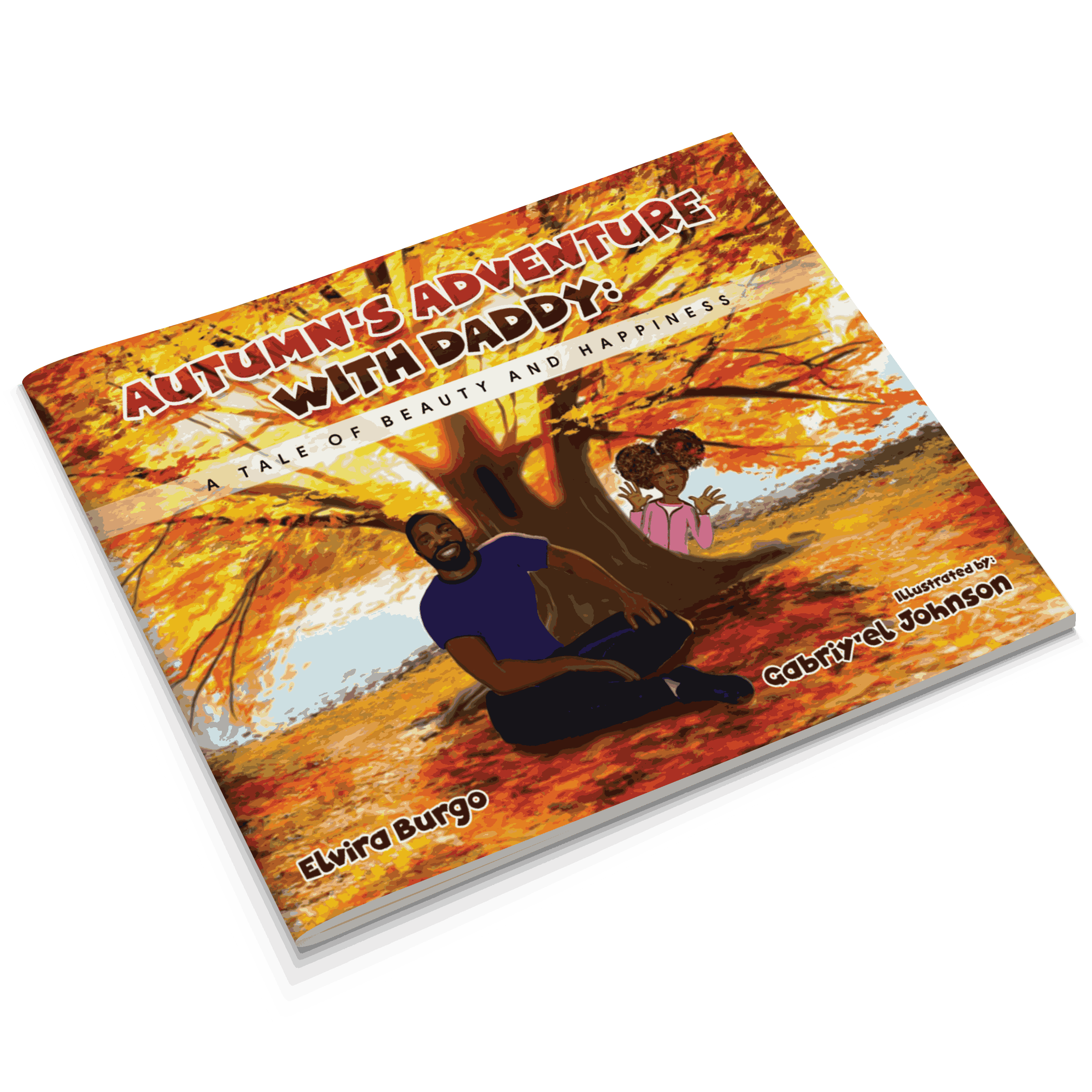
Autumn’s Adventure with Daddy: A Tale of Beauty and Happiness by Elvira Burgo
This heartwarming story follows Autumn as she connects with her father and nature,
becoming resilient during challenging times.
It is designed for ages 5-8.
Giraffes Can’t Dance by Giles Andreae
While facing criticism, a giraffe learns to accept his unique talents and does not give up.
For children aged 4-8 years old.
The Most Magnificent Thing by Ashley Spires
A girl attempts to create something extraordinary and experiences setbacks. This story teaches children about creativity and perseverance.
Created for children aged 5 years and up.
I Am Courage by Susan Verde
This story is about finding resilience and courage when facing fears and difficult moments.
The book is for children aged 5 and up.
- Encourage your child to control reactions to a situation and not get frustrated.
Imagine your child failing a spelling test.
Instead of focusing on the disappointment, discuss how your child can learn from the experience and reflect on what to do next time, such as studying and having fun while doing so.
Failing a test, or anything else, is not a reason to give up. A child needs to learn to keep going and understand that setbacks are a part of life’s journey.
- Share real-life examples of resilience.
Real-life examples of resilience are influential. Here are three I’d like to share: a man running despite difficulties, Dusty Rhodes overcoming obstacles, and finally, J.K. Rowling’s challenging author journey.
My husband and I were walking when a man sprinted up to us. His legs swayed as he ran, and his arm was bent. I thought he had a neurological issue, but my husband believed he might have suffered a stroke.
I stared back at the man intently and reflected: What excuses do the rest of us have?
This man could have easily given up running, but he didn’t.
Another example of resilience is Dusty Rhodes, a wrestler, who grew up poor and overcame obstacles.
Raised in Austin, Texas, Rhodes knew he wanted to be a world champion.
He was so good that people wanted to be like him.
He filled arenas with his ability to connect with his audience. Known as the American Dream, a master orator and entertainer, Rhodes believed that as long as people are struggling, they should look to the American Dream.
J.K. Rowling, who experienced 12 publisher rejections, struggled with depression, and experienced extreme poverty, is another wonderful example of resilience.
A single mother, Rowling persevered and ultimately became a billionaire. Rowling admits, “By every usual standard, I was the biggest failure I knew.”
- Encourage problem-solving.
A child who learns to solve problems can feel confident.
Instead of solving the problem, guide the child with useful questions: "What do you think should be done here?" Or, “What can we learn from this?”
The following is a problem-solving process for your child. (www.nationwidechildrens.org)
- State the problem and do so clearly.
- Brainstorm possible solutions together.
- Choose what appears to be the best solution.
- Test the solution.
- Make changes, if necessary.
- Limit the amount of news and social media your child watches.
The news can be scary and negative. A child may misinterpret what’s happening and internalize the events.
Social media can also be anxiety-provoking.
Patel Garg states, “Children may use screen time to self-soothe, which continues the cycle of being overstimulated.” He adds that the brain needs a break to process and reflect. (www.childrens.com)
- Help your child manage stress.
According to the Child Mind Institute, “The goal isn’t to eliminate anxiety, but to help a child manage it.”
Instead of avoiding the topic to prevent a child from becoming anxious, discuss your child’s feelings and ask open-ended questions such as: "How are you feeling?" ‘What have you done so far?’ What else could you try?’ (www.childmindinstitute.com
Below are activities that help a child manage stress. ( www.health.choc.org.)
- Practice belly breathing.
- Dance to a favorite song.
- Write about thoughts and feelings.
- Walk outside with the family.
- Ride a bike.
- Practice being thankful.
- Encourage muscle relaxation.
The website (www.health.choc.org) provides more detailed information, activities, and techniques for practicing belly breathing and relaxing the muscles.
The website (www.childrens.com) offers stretching activities to help relieve muscle tension.
- Encourage your child to see difficulties as opportunities for growth instead of obstacles.
Challenges can sometimes work for the better and offer a learning opportunity.
When challenges are viewed with a growth mindset, a child is more resilient. Instead of saying, 'I can’t do this,' encourage your child to say, ‘This is a challenge, but I can learn from it.’ Or, rather than saying ‘I can’t do this,’ say: ‘I can’t do this yet.’
A child needs to learn that difficulties can be overcome, and that effort and perseverance are just as important to achieving a goal. Setting achievable goals is helpful because small successes make one feel good. It is also beneficial to try new activities and take on challenges.
Finally, a child must understand that failure is part of the growth process and that, with time and practice, improvement is possible.
- Share how you handled your own challenges. After all, you are your child’s greatest model.
After sharing, you may want to present the “My Challenge” worksheet, which includes the following questions for your child to draw or write answers to. (www.makingcaringcommon.org)
Questions:
- What is something I need to do that feels hard?
- What could make it easier or more doable? Is there someone I could ask for help?
- How did I work through my challenge? How do I feel now that the hard thing is done?
In sum, resilience can be learned. If others have overcome difficulties, so can anyone else. A child needs the necessary tools to manage challenges, flourish, and succeed.
Thanks for reading,
Elvira